

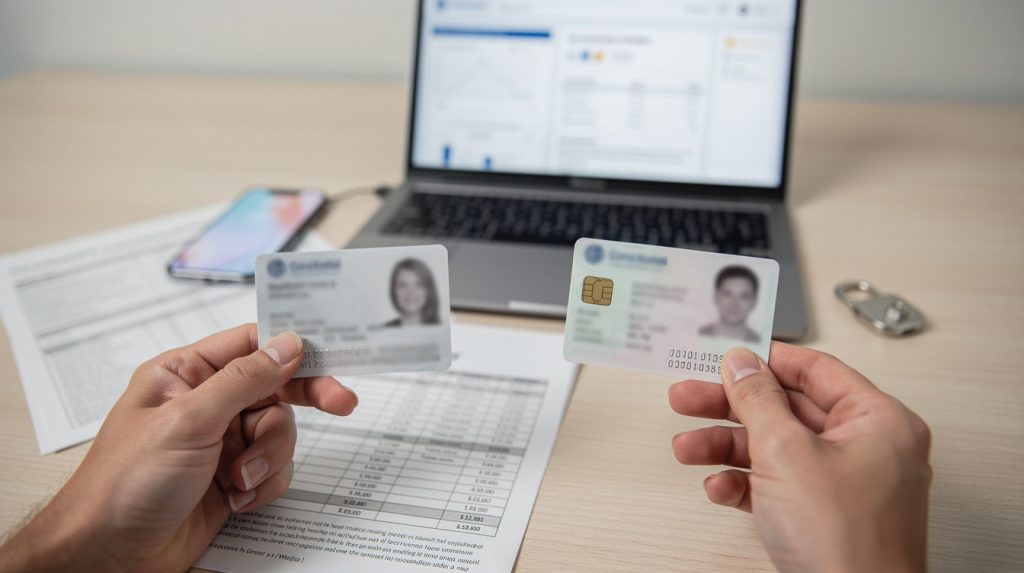
Identity thieves don’t just steal your money-they damage your credit score in ways that can haunt you for years. Credit score identity theft can tank your rating, lock you out of loans, and cost thousands in fraudulent charges.
The good news is that you have legal protections and concrete steps you can take right now. We at Hays Cauley, P.C. help South Carolina residents, including those in Greenville, Columbia, and Charleston, fight back against identity theft and rebuild their financial lives.
What Damage Does Identity Theft Actually Do to Your Credit Score: Serving South Carolina, Including Greenville, Columbia, and Charleston
New Accounts Tank Your Score Fast
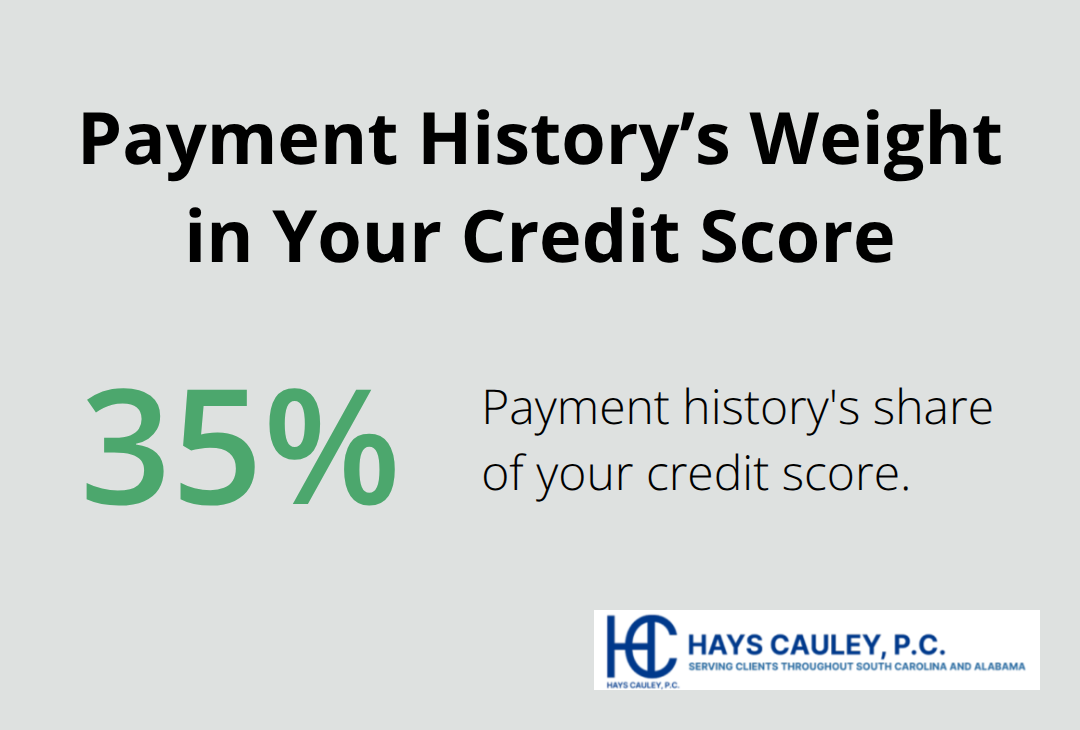
When a criminal opens a new credit card, car loan, or mortgage in your name, your credit score takes an immediate hit. The FTC reported over 1 million identity theft complaints in 2023, and many of those cases involved fraudulent accounts that destroyed victims’ credit ratings. Each new account appears on your credit report, and lenders see missed payments or maxed-out balances they know nothing about. Your payment history, which makes up 35% of your credit score, suffers damage quickly.
A single fraudulent account in default can drop your score by 100 points or more, depending on your starting score and the account’s size. Worse, these accounts stay on your report for years. Even after you close them, the damage lingers. If a thief opens multiple accounts before you catch the fraud, your credit utilization ratio spikes, which tanks your score further. The longer fraudulent accounts remain open and unpaid, the deeper the damage goes.
Unauthorized Charges Create Hidden Delinquencies
Identity thieves make unauthorized charges on your existing credit cards and bank accounts, hitting your credit score indirectly but severely. If you fail to notice the fraud quickly and report it, those unpaid charges become delinquencies. Once an account goes 30 days past due, it reports to the credit bureaus and damages your payment history. Some victims don’t catch fraud for months, meaning multiple billing cycles of missed payments show up on their reports. Medical identity theft adds another layer of harm-criminals use your information to receive medical services, and unpaid medical bills get sent to collections agencies, which then report to credit bureaus. According to Experian, identity theft can take months to recover from, and the financial and emotional toll extends far beyond the initial theft. Your credit freeze or fraud alert can prevent new accounts, but it cannot stop damage to existing accounts. You must actively monitor your statements and credit reports to catch unauthorized activity early.
Blocking Fraudulent Information Stops Long-Term Damage
Recovery from identity theft takes time. Fraudulent accounts remain on your credit report for seven years from the date of first delinquency, even after you dispute and remove them. During those seven years, lenders see the negative marks and deny you credit or charge higher interest rates. Some victims find themselves unable to rent apartments, qualify for mortgages, or get approved for auto loans years after the theft occurred. Your credit score may recover faster than the accounts disappear (usually within months of removing fraudulent items), but the underlying damage stays. This is why blocking fraudulent information on your credit report matters so much. When you file an identity theft report with the FTC and provide proof to the credit bureaus, you can request that they block fraudulent debts from your file. The bureaus must implement the block within four business days. Blocking prevents creditors from pursuing those debts and stops the accounts from harming your creditworthiness. Without blocking, you’ll spend years fighting collection agencies and dealing with the fallout. The sooner you report the theft and request blocking, the sooner you limit the damage to your credit profile.
Now that you understand how identity theft damages your credit, you need to act fast. The steps you take in the first days and weeks after discovering fraud determine how much of your credit you can save.
What to Do the Moment You Discover Identity Theft: Serving South Carolina, Including Greenville, Columbia, and Charleston
Act Within 24 to 48 Hours to Stop Further Damage
Speed matters when identity theft hits your credit. The FTC reports that victims who act within the first 24 to 48 hours after discovering fraud can prevent significant additional damage. Your first move is to contact all three credit bureaus-Equifax, Experian, and TransUnion-and place a fraud alert on your file. A fraud alert is free and forces lenders to verify your identity before opening new accounts in your name, which stops criminals from opening additional fraudulent lines of credit while you work on recovery.
Contact the Credit Bureaus and Place Your Fraud Alert
Call Equifax at 800-685-1111, Experian at 888-397-3742, and TransUnion at 888-909-8872 to place an initial fraud alert that lasts one year. During that year, you can obtain one free credit report from each bureau, which you should pull immediately to identify fraudulent accounts. Do not wait for the bureaus to mail anything-contact them by phone today and follow up in writing to create a paper trail. While the fraud alert processes, file an identity theft report with the FTC at IdentityTheft.gov. This report generates a personalized recovery plan and serves as official documentation if creditors or collection agencies contact you about fraudulent debts. The FTC report also helps you request blocking of fraudulent information from your credit file, which prevents creditors from pursuing those debts and stops the accounts from further damaging your score.
Decide Between a Fraud Alert and a Credit Freeze
After placing the fraud alert and filing with the FTC, decide whether you need a credit freeze. An initial fraud alert is your first line of defense, but a credit freeze provides stronger protection by completely blocking new creditors from accessing your credit file until you lift it. A freeze is free across all three bureaus and does not affect your existing credit score. Place freezes at Equifax, Experian, and TransUnion using their online portals or by phone using the numbers above. The freeze lasts until you remove it, and you can temporarily lift it when you apply for legitimate credit. Many fraud victims use both an alert and a freeze for layered protection during the recovery period.
Lock Your Accounts and Document Everything
Contact your banks and credit card companies immediately to report unauthorized charges and lock compromised accounts. Provide them with a copy of your FTC identity theft report, which most institutions now accept as proof of fraud. Request that they flag your accounts and review all transactions for the past 60 to 90 days. Some banks will reverse fraudulent charges within days; others take longer. Document every call with dates, names, and confirmation numbers. If you discover medical identity theft, contact the healthcare provider and the collection agency to dispute the fraudulent bills and request removal from their records. These initial steps create the foundation for your recovery, but legal protections available to you extend far beyond fraud alerts and freezes.
What Laws Protect You After Identity Theft: Serving South Carolina, Including Greenville, Columbia, and Charleston
Federal Law Requires Credit Bureaus to Remove Fraudulent Accounts
Federal law gives you concrete rights when identity thieves damage your credit. The Fair Credit Reporting Act requires credit bureaus to investigate disputes within 30 days and remove fraudulent information from your report if they cannot verify it. When you submit a dispute for fraudulent accounts, the bureaus must contact the creditor and ask for proof that the debt is legitimate. If the creditor cannot verify the account within 30 days, the bureaus must delete it. Many creditors fail to respond to verification requests, which works in your favor. File your disputes in writing with each bureau and keep copies of everything you send.
The Identity Theft Enforcement and Restitution Act Protects Your Rights
The Identity Theft Assumption Deterrence Act allows you to seek restitution from identity thieves if they are caught and prosecuted. This law also requires the FTC to maintain an identity theft database and helps law enforcement track fraud patterns across the country. When you file your FTC report at IdentityTheft.gov, your case enters this national system, which helps authorities identify criminals targeting multiple victims. The law protects you from liability for fraudulent charges and debts opened in your name, meaning creditors cannot pursue you for debts created by thieves if you report the fraud properly.
Police Reports Strengthen Your Legal Position
Working with law enforcement strengthens your case significantly. File a police report with your local department and obtain a copy for your records. Include the FTC report number and specific details about fraudulent accounts, unauthorized charges, and dates you discovered the theft. Give copies of both reports to creditors and collection agencies when they contact you about fraudulent debts. Most will stop pursuing payment once they see official documentation of identity theft.
Debt Collectors Must Stop After You Provide Proof
If a debt collector continues contacting you after receiving proof of fraud, they violate the Fair Debt Collection Practices Act and you can file a complaint with the Consumer Financial Protection Bureau. Contact the CFPB at consumerfinance.gov if collectors ignore your documentation or harass you. The CFPB investigates violations and can hold collectors accountable for continuing collection efforts after you provide evidence of identity theft.
Consumer Protection Attorneys Help Hold Creditors Accountable
For serious cases involving multiple fraudulent accounts or significant losses, consider working with a consumer protection attorney. A consumer protection law firm can help you navigate the legal process and hold creditors accountable when they fail to remove fraudulent information or violate your rights under federal law. An attorney can also represent you in disputes with credit bureaus and debt collectors, increasing the likelihood that fraudulent accounts are removed and your credit is restored.
Final Thoughts
Your credit score typically improves within months of removing fraudulent accounts from your report, even though the seven-year reporting period for negative marks feels long. Most lenders focus on recent activity, so as fraudulent accounts age and you build positive payment history with legitimate accounts, your score rebounds. Pull your free credit reports from all three bureaus every few months during recovery to track progress and catch any remaining fraudulent items that need attention.
Prevention stops future credit score identity theft before it starts. Use strong, unique passwords for every account and activate multi-factor authentication wherever available. Monitor your credit reports regularly and set up fraud alerts or a credit freeze now, even if you haven’t been victimized yet-a freeze costs nothing to maintain and blocks new creditors from accessing your file. Review your bank and credit card statements monthly for unauthorized charges, shred documents containing personal information, and switch to paperless billing to eliminate exposure.
We at Hays Cauley, P.C. help South Carolina residents, including those in Greenville, Columbia, and Charleston, fight back against credit reporting violations and hold creditors accountable when they fail to remove fraudulent information. If creditors won’t remove fraudulent accounts despite your documentation or if credit score identity theft has damaged your financial life, contact us to discuss your situation. You don’t have to navigate this alone.