

Identity theft can devastate your finances in ways that take years to repair. Unauthorized accounts, damaged credit scores, and mounting debt are just the beginning of what victims face.
An SC identity theft attorney can help you fight back and reclaim your financial life. We at Hays Cauley, P.C. understand the legal tools available to protect your rights and recover what was stolen from you.
How Identity Theft Strikes Your Credit and Financial Health
Identity Theft Damages Your Credit Rapidly
Identity theft damages your credit faster than most people realize. South Carolina ranks 13th highest in identity theft reports per 100,000 citizens according to the South Carolina Department of Revenue, which means your risk of becoming a victim is significantly higher than the national average. When a thief opens accounts in your name, those fraudulent accounts appear on your credit report immediately. Your credit score can drop 100 points or more within days, depending on the size of the fraudulent accounts and how many inquiries the thief makes. This isn’t theoretical damage-it’s concrete financial harm that affects your ability to borrow money at reasonable rates.
Lenders will see those fraudulent accounts when you apply for a mortgage, car loan, or credit card after identity theft. They will either deny you or charge substantially higher interest rates. A single fraudulent account costs you tens of thousands of dollars in extra interest over the life of a legitimate loan.
Unauthorized Accounts Create Multiple Financial Problems
Thieves open utility accounts, cell phone plans, and loans using your identifying information. A victim might discover a fraudulent utility account with a balance of $4,900 that they’re asked to pay, or find that someone filed a fraudulent tax return claiming their Social Security number. The financial losses extend beyond the stolen amounts themselves.
You face time spent disputing charges, potential damage to your employment prospects if a background check reveals fraudulent accounts, and the stress of proving you weren’t responsible for debts you never incurred. Some employers conduct credit checks as part of their hiring process, and a damaged credit report can disqualify you from positions you’re otherwise qualified for. The longer identity theft goes undetected, the more accounts a criminal opens in your name and the deeper the financial hole becomes.
Acting Quickly Limits the Damage
The moment you suspect fraud, file a police report and contact the Federal Trade Commission through IdentityTheft.gov to create an official record. You can use this documentation to dispute fraudulent accounts with creditors and credit bureaus. Financial institutions and credit bureaus take your dispute more seriously when you have documentation showing you reported the crime.
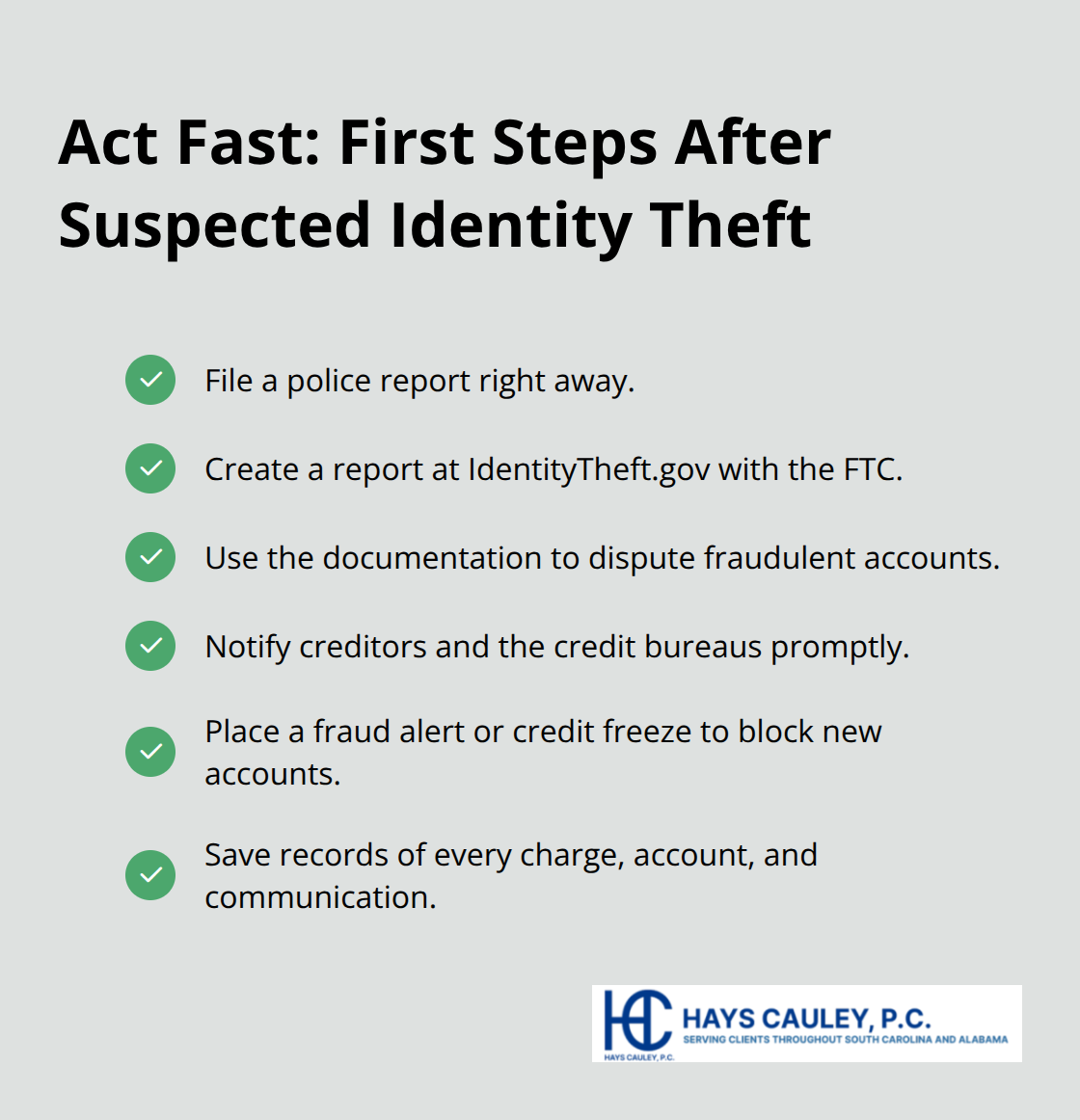
Delaying action means the thief continues opening new accounts, and your credit score continues falling. An identity theft attorney can negotiate with banks and creditors to reverse fraudulent charges, file disputes with credit bureaus to remove fraudulent accounts, and hold financial institutions accountable when they fail to investigate your claims properly. The right legal representation transforms your recovery from a frustrating solo effort into a coordinated strategy with professional leverage behind it.
Selecting an Attorney Who Delivers Real Results
Ask for Concrete Case Outcomes
Finding the right identity theft attorney means looking past credentials and focusing on what actually happens in cases like yours. Request specific examples of identity theft cases they resolved in South Carolina. Not general statements about their approach, but concrete outcomes: accounts removed from credit reports, fraudulent charges reversed, settlements recovered. An attorney who hesitates to share past results or speaks only in generalities signals that those results don’t exist. Lead Counsel Verified status and Super Lawyers recognition indicate independent vetting, but these badges don’t tell you whether the attorney successfully negotiated with the specific creditors damaging your credit or fought the credit bureaus that refuse to remove fraudulent accounts. Ask directly how many identity theft cases they handled in the last two years and what percentage resulted in account removal or monetary recovery. A strong attorney will provide these numbers without evasion.
Know South Carolina Law Inside Out
Understanding South Carolina law matters more than national experience. Identity theft in South Carolina falls under Section 16-13-510, which defines the crime and carries penalties up to 10 years in prison and restitution requirements. Your attorney must know this statute inside out and understand how South Carolina courts interpret identity theft cases differently than federal courts. Ask whether they defended identity theft charges in South Carolina specifically and whether they understand the nuances of state versus federal prosecution. An attorney unfamiliar with Section 16-13-510 or South Carolina court procedures will struggle to navigate your case effectively.
Demand Responsiveness and Clear Communication
Responsiveness separates adequate representation from effective representation. Set clear expectations during your initial consultation about response times, communication methods, and how often you’ll receive updates. Many identity theft cases drag on for months while fraudulent accounts multiply, so you need an attorney who returns calls within 24 hours and actively pursues resolution rather than letting your case sit in a filing cabinet. Request a written timeline of how your case will progress, from initial investigation through dispute filing to final resolution. This timeline holds your attorney accountable and prevents surprises later.
Evaluate Your Initial Consultation
An attorney offering a free initial consultation demonstrates confidence in their ability to help and removes the financial barrier to getting professional guidance. During this meeting, assess whether the attorney listens to your specific situation or delivers a generic pitch. They should ask detailed questions about how you discovered the fraud, what accounts the thief opened, and what steps you’ve already taken. An attorney who understands your unique circumstances will tailor their approach rather than applying a one-size-fits-all strategy.
Move Forward With Confidence
The right attorney transforms your recovery from a frustrating solo effort into a coordinated strategy with professional leverage behind it. Once you’ve identified an attorney who meets these standards, you’re ready to take the next critical step: understanding exactly what legal tools and protections your attorney will deploy to fight back against creditors, credit bureaus, and the damage identity theft inflicted on your financial life.
Why an Identity Theft Attorney Protects What Matters Most
How Attorneys Shift the Power Dynamic
Identity theft victims often face creditors and debt collectors who refuse to acknowledge fraud, credit bureaus that ignore removal requests, and financial institutions that shift responsibility back to the victim. An attorney transforms this dynamic by inserting professional leverage into every negotiation. When you contact a creditor alone, they treat you as a debtor. When an attorney contacts them on your behalf, they recognize potential liability exposure. Creditors know that a documented dispute letter from an attorney carries legal weight and that ignoring your claim could result in a Fair Debt Collection Practices Act violation or a lawsuit for damages.
Investigating Fraud to Build Your Case
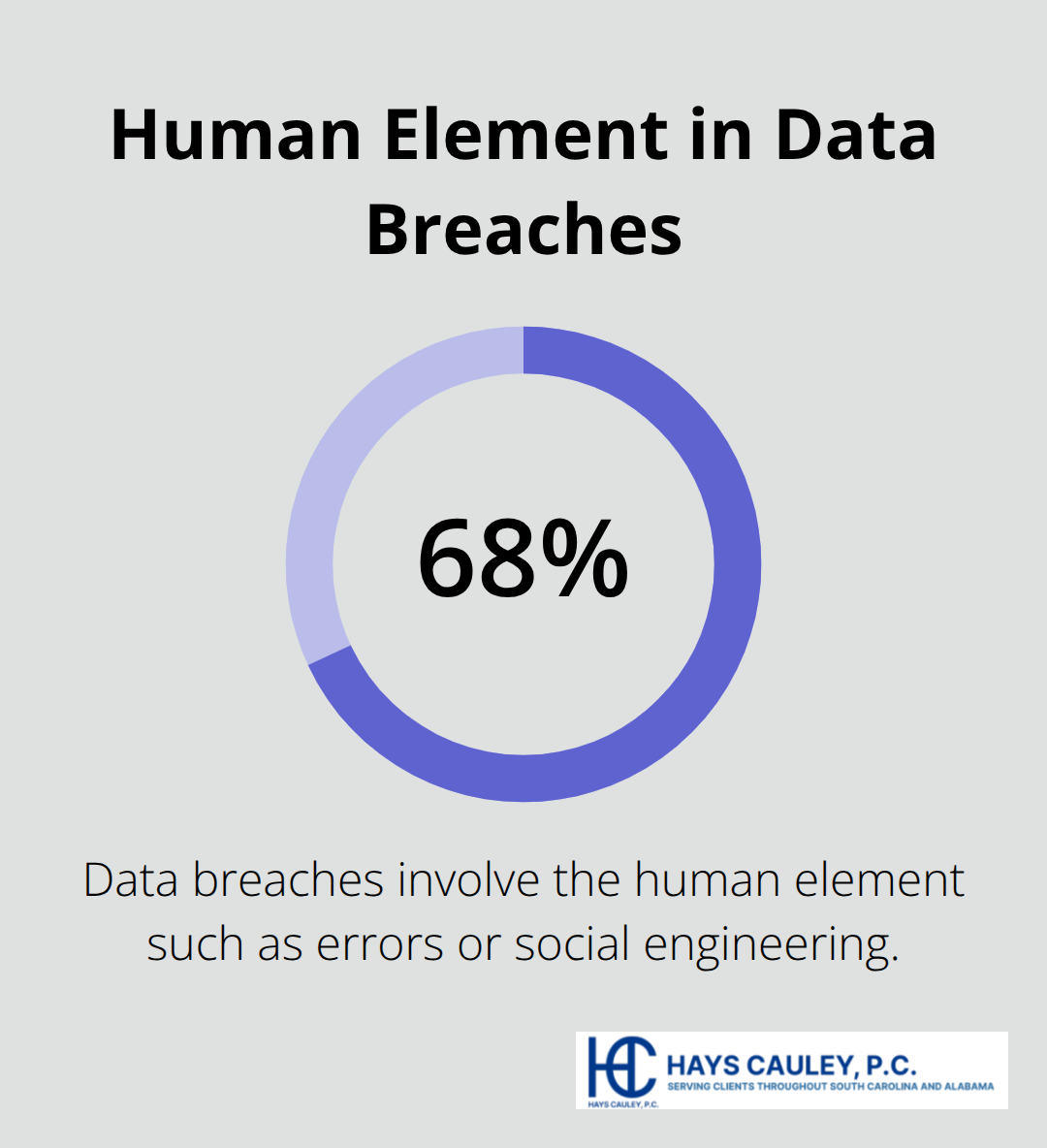
According to the Verizon Data Breach Investigations Report, about 68 percent of data breaches involve the human element such as errors or social engineering, which means creditors and institutions frequently fail to verify whether accounts are legitimately yours. An attorney investigates by reviewing your financial records, credit reports, and communications with creditors to prove victimhood and identify patterns of fraud. This investigation becomes your evidence when you dispute accounts.
Credit bureaus must investigate disputes within 30 days under federal law, but they often close investigations without removing fraudulent accounts. An attorney escalates these disputes, challenges the bureau’s investigation methods, and files complaints with the Consumer Financial Protection Bureau when bureaus refuse to act properly. The difference is concrete: a solo victim’s dispute letter gets processed by an automated system, while an attorney’s dispute triggers manual review and accountability measures.
Identifying Liable Institutions and Recovering Damages
Recovering damages requires understanding which institutions are legally liable for your losses. Banks that failed to verify your identity before opening accounts, creditors that ignored fraud notices, and credit bureaus that refused to remove fraudulent information all face potential liability. An attorney files lawsuits to recover financial losses, legal fees, lost income, and emotional distress caused by identity theft. If criminals committed crimes using your identity, an attorney works with law enforcement and prosecutors to clear your name and prevent additional charges from appearing on your record.
Handling Specialized Fraud Situations
Some victims face utility accounts opened in their names with balances exceeding $4,900 or fraudulent tax returns filed with the IRS claiming their Social Security numbers. An attorney navigates these specialized situations by coordinating with utility companies, the IRS, and tax authorities to prove the fraud wasn’t your responsibility. This coordination prevents years of collection attempts and protects your employment prospects. Hays Cauley, P.C. handles these complex negotiations so you can focus on rebuilding your financial life rather than spending months on hold with creditors.
Final Thoughts
Choosing the right SC identity theft attorney comes down to three concrete factors: a demonstrated track record of recovering damages and removing fraudulent accounts, deep knowledge of South Carolina law and court procedures, and genuine responsiveness to your situation. An attorney who shares specific case outcomes, understands Section 16-13-510, and commits to clear communication will transform your recovery from a frustrating solo battle into a coordinated legal strategy. Credentials matter less than results.

Start protecting yourself immediately by filing a police report and creating an official record through IdentityTheft.gov. Contact your creditors and credit bureaus to dispute fraudulent accounts. Place fraud alerts or freezes with the major credit bureaus to prevent further damage, and gather documentation of every fraudulent account, unauthorized charge, and communication with institutions so your attorney can use this evidence to negotiate with creditors and challenge credit bureaus.
If you face identity theft in South Carolina, including Greenville, Columbia, and Charleston, contact Hays Cauley, P.C. for a free consultation to discuss your specific situation and learn what legal tools are available to recover your financial life. We help consumers with credit reporting, identity theft, and debt-related issues throughout the state.