


Identity theft affects over 14 million Americans annually, with South Carolina residents facing increasing risks from sophisticated scammers. The financial damage averages $1,343 per victim, not including the months needed to restore credit and personal records.
At Hays Cauley, P.C., we see firsthand how devastating these crimes can be for families and businesses. Effective prevention for identity theft requires proactive steps that most people overlook until it’s too late.
Understanding Identity Theft Risks in South Carolina
South Carolina ranks as the 13th highest state for identity theft reports per 100,000 citizens, which makes residents prime targets for sophisticated criminal operations. Thieves employ three primary attack vectors that consistently succeed against unsuspecting victims.
Common Methods Thieves Use to Steal Personal Information
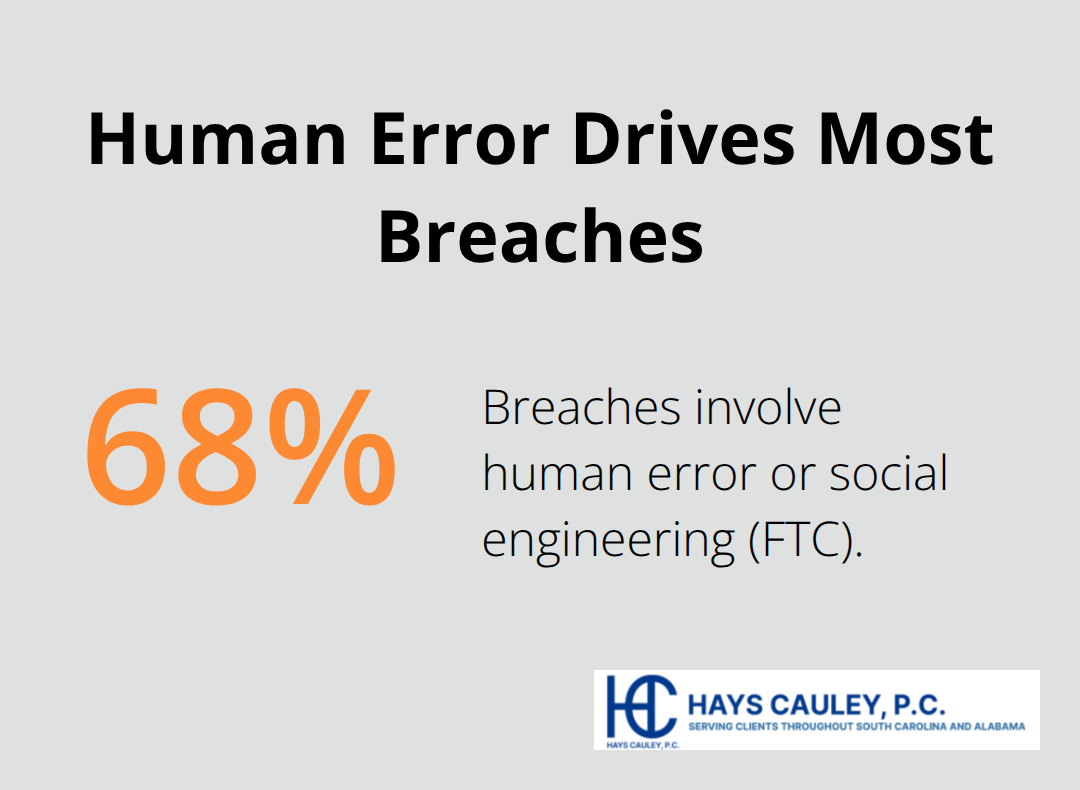
Phishing emails represent the most widespread attack method, where criminals send messages that appear legitimate from banks, government agencies, or popular retailers. These emails contain malicious links that install keyloggers on devices or direct victims to fake websites that capture login credentials. The Federal Trade Commission reports that 68% of all data breaches involve human errors or social engineering, which proves these tactics work because people trust too easily.
Social engineering phone calls have become increasingly sophisticated, with scammers who impersonate IRS agents, bank representatives, or Medicare officials. These criminals often possess partial personal information (obtained from previous data breaches) to establish credibility before requesting Social Security numbers, account passwords, or payment information.
Physical theft remains surprisingly effective in our digital age. Criminals steal mail containing financial statements, pre-approved credit offers, tax documents, and medical information directly from mailboxes. They also target discarded documents from trash bins and public areas where people carelessly dispose of sensitive paperwork.
Financial Impact and Credit Score Damage
Victims face immediate financial losses that average $1,343, but the true cost extends far beyond stolen money. Credit scores drop an average of 50-100 points within the first month after identity theft occurs, which forces victims to pay higher interest rates on mortgages, car loans, and credit cards for years afterward.
The Consumer Sentinel Network Data Book shows that recovery time averages 7 months for simple cases. Complex identity theft cases (particularly those that involve tax fraud or medical identity theft) can take 2-3 years to fully resolve. During this period, victims often cannot qualify for new credit, refinance existing loans, or even rent apartments due to damaged credit profiles.
Legal Consequences and Recovery Time
Identity theft victims must file police reports, dispute fraudulent accounts with credit bureaus, and navigate complex federal regulations that govern credit reporting and debt collection. The Fair Credit Reporting Act provides legal protections, but creditors and collection agencies frequently violate these laws during the recovery process.
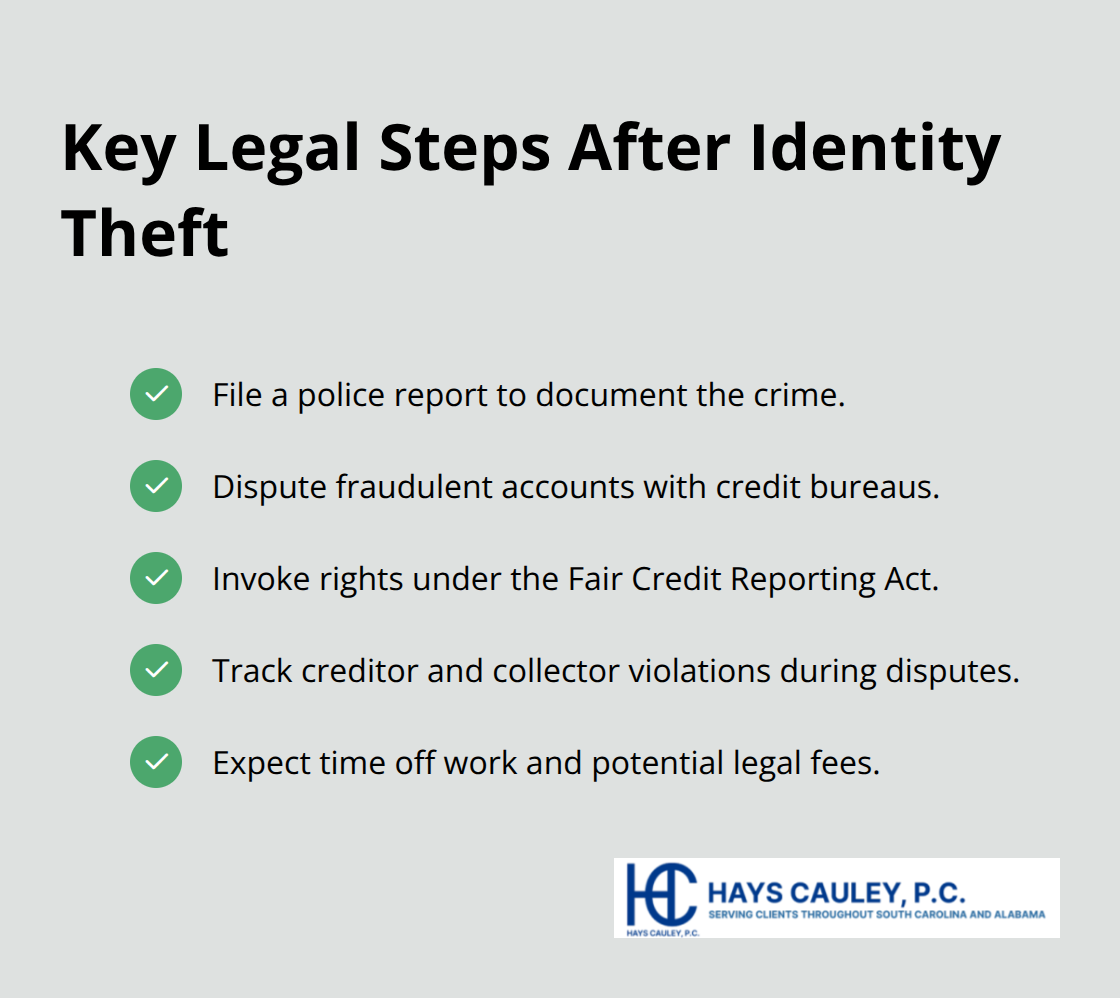
Victims spend thousands of dollars on legal fees and lose wages from time off work to handle identity theft recovery. Professional legal assistance becomes essential rather than optional for comprehensive restoration of credit and financial standing.
These devastating consequences make prevention strategies absolutely vital for South Carolina residents who want to protect their financial future.
Essential Prevention Strategies
Secure Password Management and Two-Factor Authentication
Strong password management forms the foundation of digital security, yet most people use weak passwords across multiple accounts. The Cybersecurity and Infrastructure Security Agency recommends passwords with minimum 8 characters that combine uppercase letters, lowercase letters, numbers, and special characters. Password managers like Bitwarden or LastPass generate unique passwords for each account and eliminate the dangerous practice of password reuse.
Two-factor authentication adds a second verification layer that prevents 99.9% of automated attacks according to Microsoft security research. This extra step requires both your password and a code sent to your phone or email, which stops criminals who steal login credentials from accessing your accounts.
Safe Online Shopping and Social Media Practices
Online shopping requires specific precautions that many South Carolina residents ignore. Use dedicated credit cards for internet purchases instead of debit cards, which provide weaker fraud protection under federal law. The Federal Trade Commission advises that you check website security certificates (look for https and padlock symbols) before you enter payment information.
Social media privacy settings must be configured to friends-only visibility because identity thieves harvest personal details from public profiles to answer security questions. Avoid posts about birthdays, pet names, school information, or location check-ins that criminals use for social engineering attacks.
Protecting Physical Documents and Mail
Physical document protection requires systematic approaches that go beyond basic filing. Shred all financial statements, medical records, and pre-approved credit offers with cross-cut shredders before disposal. The Federal Trade Commission reports that mail theft accounts for significant identity theft cases, so collect mail promptly and use locked mailboxes.
Opt out of prescreened credit offers (call 1-888-567-8688) to reduce mail-based theft opportunities. Store Social Security cards, passports, and financial documents in fireproof safes rather than wallets or purses where theft becomes catastrophic.
These prevention strategies work best when combined with active monitoring of your personal information and financial accounts.
Monitoring Your Personal Information
Regular monitoring forms your strongest defense against identity theft, yet most South Carolina residents check their financial accounts sporadically at best. The Federal Trade Commission provides free annual credit reports from all three bureaus through annualcreditreport.com, but checking once yearly leaves massive gaps where criminals operate undetected for months.
Strategic Credit Report Reviews
Smart consumers check one credit bureau every four months to maintain continuous oversight without paying fees. This approach provides year-round protection while avoiding unnecessary costs. Set up fraud alerts that require creditors to verify your identity before they open new accounts (these alerts automatically renew every seven years across all three credit bureaus).
Weekly Account Reviews Stop Fraud Fast
Bank statements and credit card accounts require weekly reviews because criminals move quickly once they access your information. Most banks now offer real-time transaction alerts via text or email for purchases above amounts you set, typically $50-100 for maximum protection. Check for unfamiliar merchant names, small test charges that criminals use before larger theft attempts, and any transactions in locations you haven’t visited. Report unauthorized charges within 60 days to maintain full fraud protection under federal law, though faster reports limit your liability to $50 maximum.
Professional Monitoring Services Provide Comprehensive Coverage
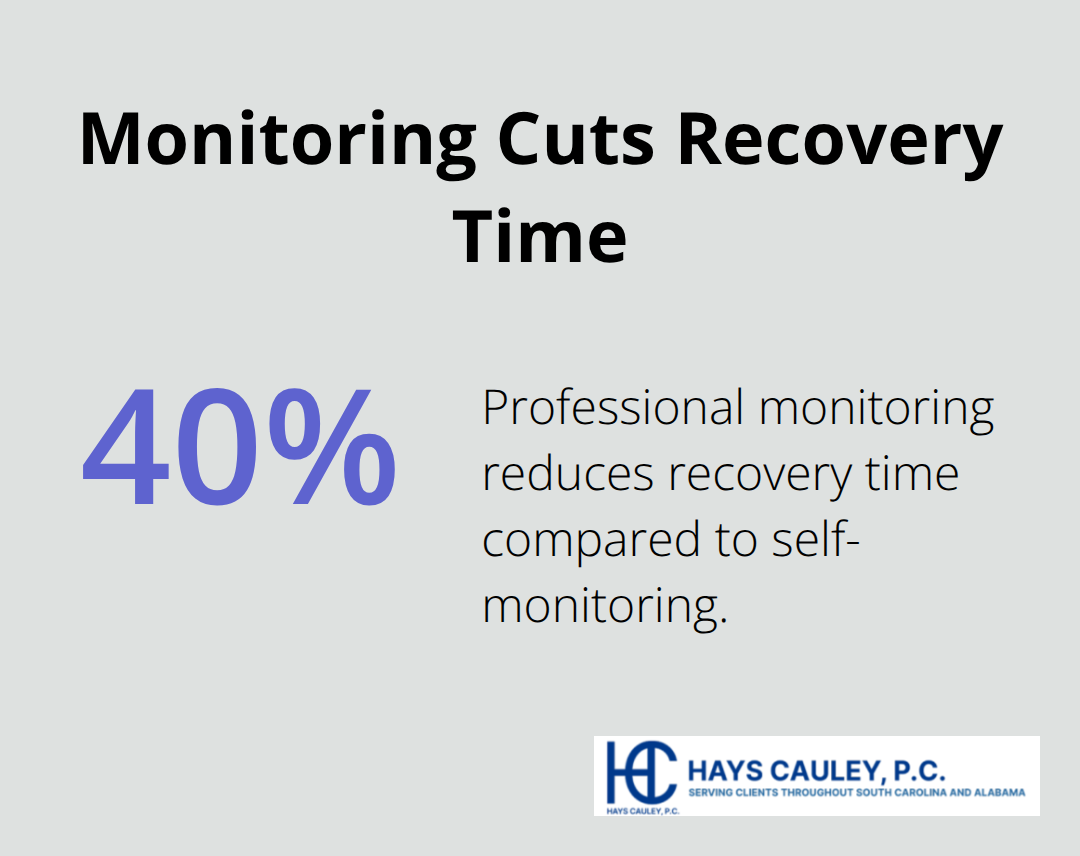
Identity monitoring services like LifeLock or IdentityGuard scan the dark web for your personal information and monitor credit applications in real-time. These services cost $10-30 monthly but catch fraud attempts that manual checking misses, particularly medical identity theft and tax fraud that appear on different systems. The Consumer Sentinel Network Data Book shows that professional monitoring reduces recovery time by 40% compared to self-monitoring because these services detect fraud across multiple databases simultaneously rather than just credit reports and bank accounts.
Final Thoughts
Prevention for identity theft demands immediate action rather than delays until criminals attack. Implement password managers and two-factor authentication on all financial accounts this week. Set up fraud alerts with credit bureaus and schedule monthly credit report reviews to catch unauthorized activity early.
South Carolina residents can access free identity theft resources through the South Carolina Department of Consumer Affairs ID Theft Toolkit and report incidents to the Federal Trade Commission at identitytheft.gov. The IRS provides tax-related fraud reports through Form 14039 for victims of tax identity theft. These government resources offer comprehensive guidance for both prevention and recovery steps.
When identity theft occurs despite preventive measures, legal assistance becomes necessary to navigate complex federal regulations and restore your financial standing. We at Hays Cauley, P.C. help South Carolina consumers with credit reports and identity theft issues (providing the legal support needed to hold creditors accountable). Professional legal help accelerates recovery time and protects your rights under federal consumer protection laws.