


Consumer Privacy Bill of Rights in South Carolina Protecting Your Data
At Hays Cauley, P.C., we understand the growing concern over personal data protection in our increasingly digital world.
South Carolina’s Consumer Privacy Bill of Rights aims to address these concerns by empowering residents with greater control over their personal information.
This landmark legislation introduces new safeguards for consumers and sets clear guidelines for businesses handling sensitive data.
In this post, we’ll explore the key aspects of this bill and how it affects both consumers and businesses in South Carolina.
What Does South Carolina’s Consumer Privacy Bill of Rights Mean for You?
A New Era of Data Protection
South Carolina’s Consumer Privacy Bill of Rights (H. 3401) introduces a new chapter in data protection for the state’s residents. Introduced on January 14, 2025, this bill aims to give South Carolinians more control over their personal information and sets clear guidelines for businesses that handle sensitive data.
Your Enhanced Rights as a Consumer
The bill grants you several important rights:
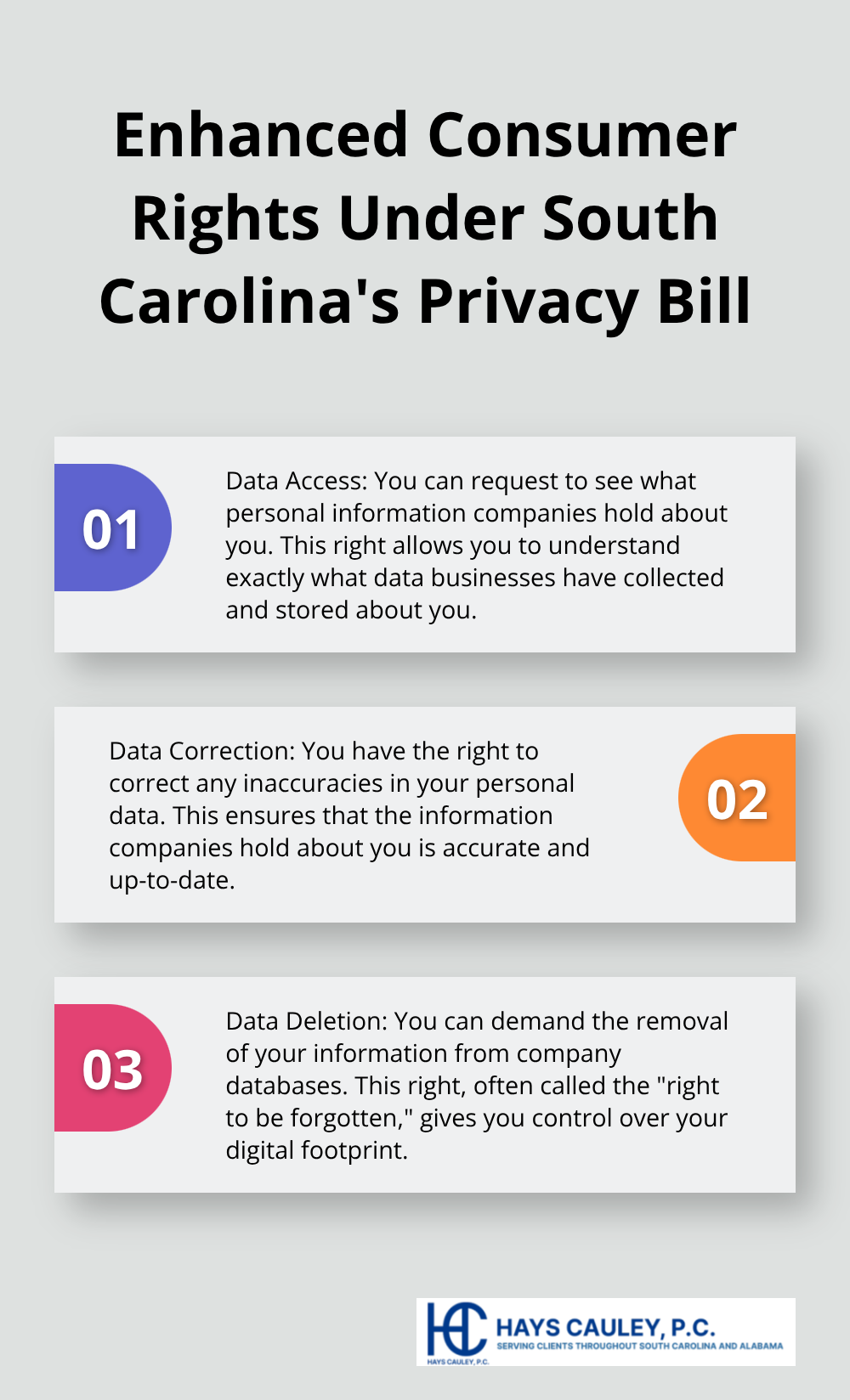
- Data Access: You can request to see what personal information companies hold about you.
- Data Correction: You have the right to correct any inaccuracies in your personal data.
- Data Deletion: You can demand the removal of your information from company databases.
Companies must respond to these requests within 45 days, ensuring quick action on your privacy concerns.
One of the most significant protections is your right to opt out of targeted advertising and the sale of your personal data. This provision gives you more control over how your information is used and shared.
New Rules for Businesses
Companies that handle large amounts of data face new responsibilities under this bill. Those with global revenues exceeding one billion dollars must conduct data protection assessments for activities involving sensitive information. This requirement helps minimize risks to your privacy.
Businesses must also provide clear, annual privacy notices. These notices must explain their data collection practices, purposes, and your rights as a consumer. This transparency allows you to make informed decisions about sharing your information.
South Carolina’s Unique Approach
While South Carolina isn’t the first state to enact comprehensive privacy legislation (California and Virginia have similar laws), it includes unique features. For example, the bill prohibits government entities from using state resources to communicate with social media platforms for content removal. This provision aims to promote transparency in government operations and protect free speech.
The penalties for non-compliance are substantial, with civil fines of up to $50,000 per violation. This strict enforcement mechanism demonstrates South Carolina’s commitment to protecting its residents’ privacy.
As this bill progresses through the legislative process, it’s important to stay informed about how it may affect you and your personal data. The next section will explore in detail how you can exercise your new rights under this groundbreaking legislation.
How to Exercise Your New Privacy Rights in South Carolina
Accessing Your Personal Data
South Carolina’s Consumer Privacy Bill of Rights grants you the power to request access to your personal information held by companies. To exercise this right, you should contact the business directly and ask for a copy of your data. Companies must respond within 45 days and provide a comprehensive report of the information they’ve collected about you.
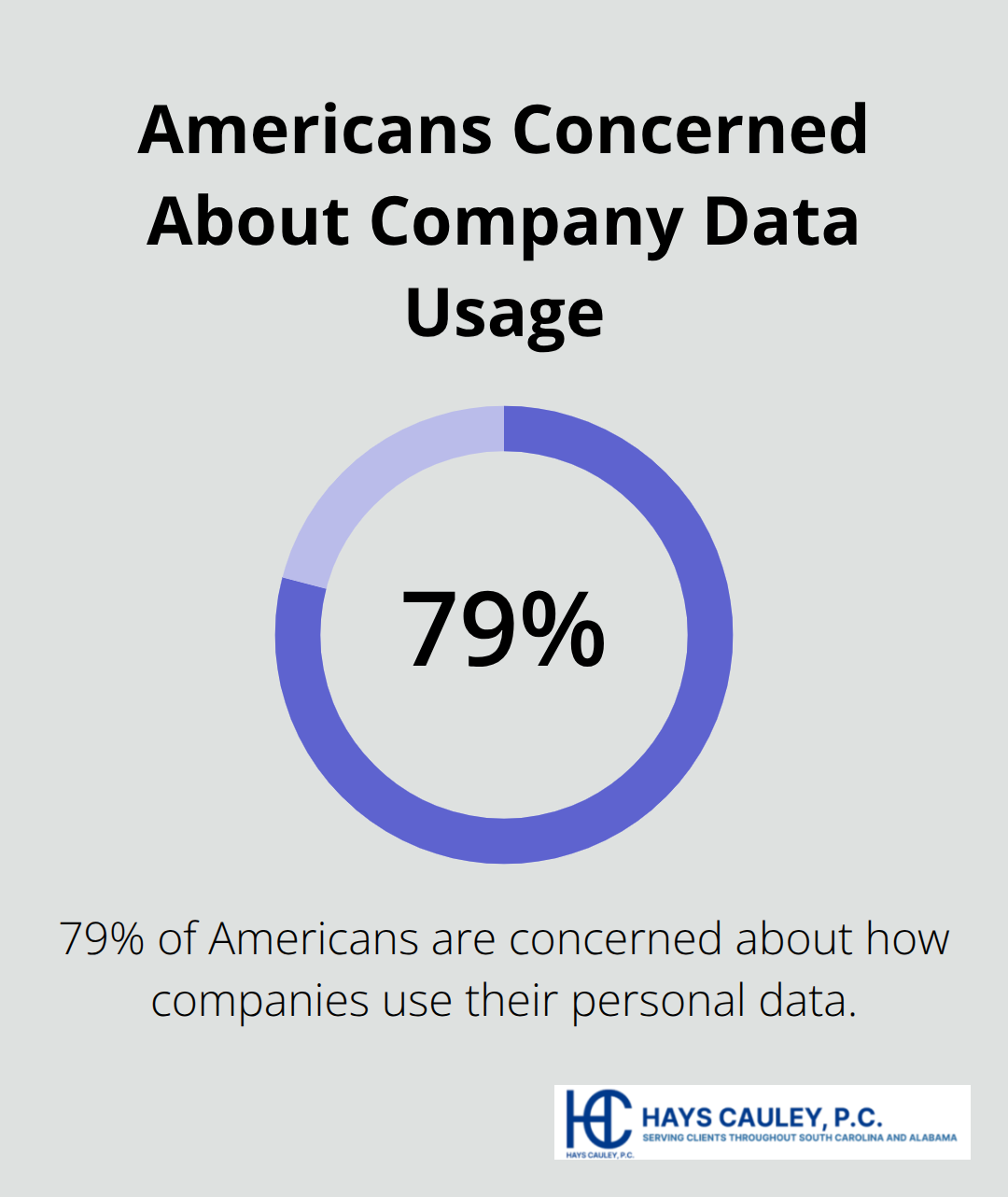
A recent survey by the Pew Research Center revealed that 79% of Americans express concern about how companies use their data. When you access your information, you’ll gain a clearer understanding of what data companies collect and how they use it.
Opting Out of Data Collection and Sharing
The bill provides you with the ability to opt out of data collection and sharing. This means you can instruct companies to stop collecting your data or selling it to third parties.
To opt out, you should look for privacy settings on company websites or apps. Many businesses will need to add a “Do Not Sell My Personal Information” link to their homepages. A click on this link will allow you to halt the sale of your data.
Deleting Your Personal Information
The right to delete your personal information empowers you to remove your data from company databases. This proves particularly useful if you no longer use a service or have concerns about how a company handles your data.
To request deletion, you should contact the company’s privacy department or customer service. Be specific about the information you want deleted. Companies must comply with your request, except in certain circumstances (such as when the data is necessary to complete a transaction or fulfill a legal obligation).
Overcoming Challenges in Exercising Your Rights
While the Consumer Privacy Bill of Rights provides robust protections, you may encounter obstacles when trying to exercise your new rights. Some companies might make the process unnecessarily complicated or may not respond promptly to your requests.
If you face difficulties, you can:
- Document all communication with the company
- File a complaint with the South Carolina Attorney General’s office
- Seek legal assistance from a consumer protection law firm
Staying Informed About Your Rights
As this legislation is new, it’s important to stay updated on any changes or interpretations of the law. You can:
- Follow updates from the South Carolina legislature
- Subscribe to privacy-focused newsletters
- Attend local workshops or webinars on consumer privacy rights
The landscape of data privacy continues to evolve, and understanding your rights is the first step in protecting your personal information. In the next section, we’ll explore how businesses in South Carolina must adapt to comply with these new regulations.
How Must Businesses Adapt to South Carolina’s New Privacy Law?
New Data Handling Protocols
South Carolina’s Consumer Privacy Bill of Rights introduces significant changes for businesses operating in the state. Companies now face stricter requirements for data handling and increased accountability for protecting consumer information.
The bill requires businesses to implement robust data protection measures. Companies must now conduct regular data protection assessments, particularly for activities involving sensitive information. These assessments help identify potential risks to consumer privacy and guide the implementation of appropriate safeguards.
A key aspect of compliance is the principle of data minimization. Businesses should only collect and retain personal information that’s necessary for their stated purposes. This approach reduces the risk of data breaches and aligns with consumer expectations for responsible data handling.
Transparency Requirements
Transparency forms the cornerstone of the new legislation. Businesses must provide clear, concise privacy notices to consumers annually. These notices should detail:
- What personal information is collected
- How the data is used
- Whether the information is sold or shared with third parties
- The consumer’s rights under the new law
Companies should review and update their privacy policies to ensure they meet these new standards. It’s not enough to have a lengthy, jargon-filled policy buried in fine print. The information must be easily accessible and understandable to the average consumer.
Penalties for Non-Compliance
The consequences of failing to comply with the new law are severe. Businesses face civil penalties of up to $50,000 per violation. For context, if a company mishandles the data of 1,000 consumers, it could potentially face fines of up to $50 million.
Moreover, the reputational damage from a data breach or privacy violation can be long-lasting and costly. A study by IBM found that the average cost of a data breach in the United States is $9.44 million. This figure includes not just regulatory fines, but also lost business and the expenses associated with managing the fallout.
Steps for Business Compliance
To avoid these penalties, businesses should:
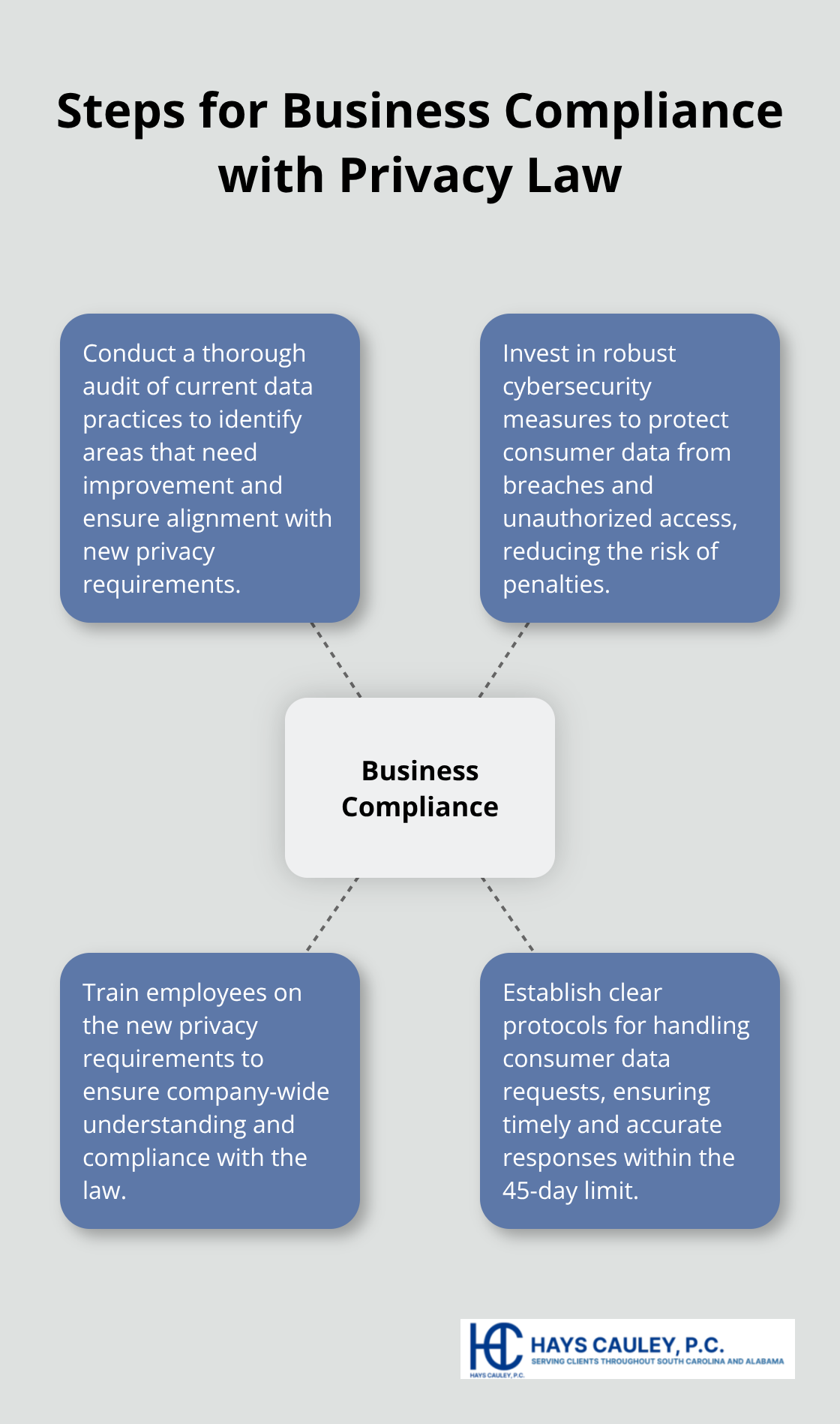
- Conduct a thorough audit of their current data practices
- Invest in robust cybersecurity measures
- Train employees on the new privacy requirements
- Establish clear protocols for handling consumer data requests
Companies that prioritize consumer privacy not only comply with the law but also build trust with their customers, creating a competitive advantage in today’s privacy-conscious market (as evidenced by numerous industry studies).
Impact on Small Businesses
While the law primarily targets larger corporations (those with global revenues exceeding one billion dollars), small businesses in South Carolina should also prepare for potential future expansions of the law. Small businesses can start by:
- Reviewing their data collection practices
- Updating privacy policies
- Implementing basic data protection measures
These steps will help small businesses stay ahead of regulatory changes and demonstrate their commitment to customer privacy.
Final Thoughts
South Carolina’s Consumer Privacy Bill of Rights marks a significant step forward in protecting personal data. This legislation acknowledges the growing importance of privacy protection and responds to the concerns of South Carolinians. Companies will need to overhaul their data handling practices, implement stronger security measures, and provide greater transparency about how they use consumer information.
For consumers, the bill provides powerful new rights and protections. South Carolinians now have the ability to access, correct, and delete their personal data, as well as opt out of data collection and sharing. These rights put control back into the hands of individuals, allowing them to make informed decisions about their digital footprint.
As we navigate this new landscape of enhanced privacy protection, it’s crucial to stay informed and vigilant. If you encounter difficulties in exercising your rights or believe a company has violated the Consumer Privacy Bill of Rights, consumer protection law firms like Hays Cauley, P.C. can provide guidance and support. We have experience in credit reporting, identity theft, and debt-related issues (which equips us to help consumers understand and protect their rights in this evolving digital age).