


The Fair Credit Reporting Act Section 609 is a powerful tool for South Carolina consumers to protect their financial well-being. At Hays Cauley, P.C., we often see how this legislation impacts our clients’ lives.
This section grants you the right to access your credit reports and dispute inaccurate information. Understanding these provisions can help you maintain a healthy credit score and open doors to better financial opportunities.
Key Provisions of FCRA Section 609 in South Carolina
Section 609 of the Fair Credit Reporting Act (FCRA) provides South Carolina consumers with essential tools to manage their credit information. This section outlines your rights to access credit reports, understand their contents, and challenge any inaccuracies.
Accessing Your Credit Reports
You have the right to request a free copy of your credit report from each of the three major credit bureaus (Equifax, Experian, and TransUnion) once every 12 months. This right is not just a privilege; it’s a necessity for maintaining your financial health. We recommend South Carolina consumers take full advantage of this right and review their reports annually.
Understanding Your Credit Report Contents
When you receive your credit report, you’ll find a wealth of information. This includes:
- Personal details
- Credit accounts
- Payment history
- Negative marks (e.g., late payments or collections)
- Recent inquiries by potential lenders or employers
It’s vital to review all this information carefully. Errors in your credit report can significantly impact your financial opportunities. For example, a misreported late payment could lower your credit score and result in higher interest rates on loans.
Disputing Inaccurate Information
If you spot an error on your credit report, Section 609 gives you the right to dispute it. The credit bureaus must investigate your claim within 30 days and correct any inaccuracies they confirm. This process is free and you can initiate it online, by mail, or over the phone.
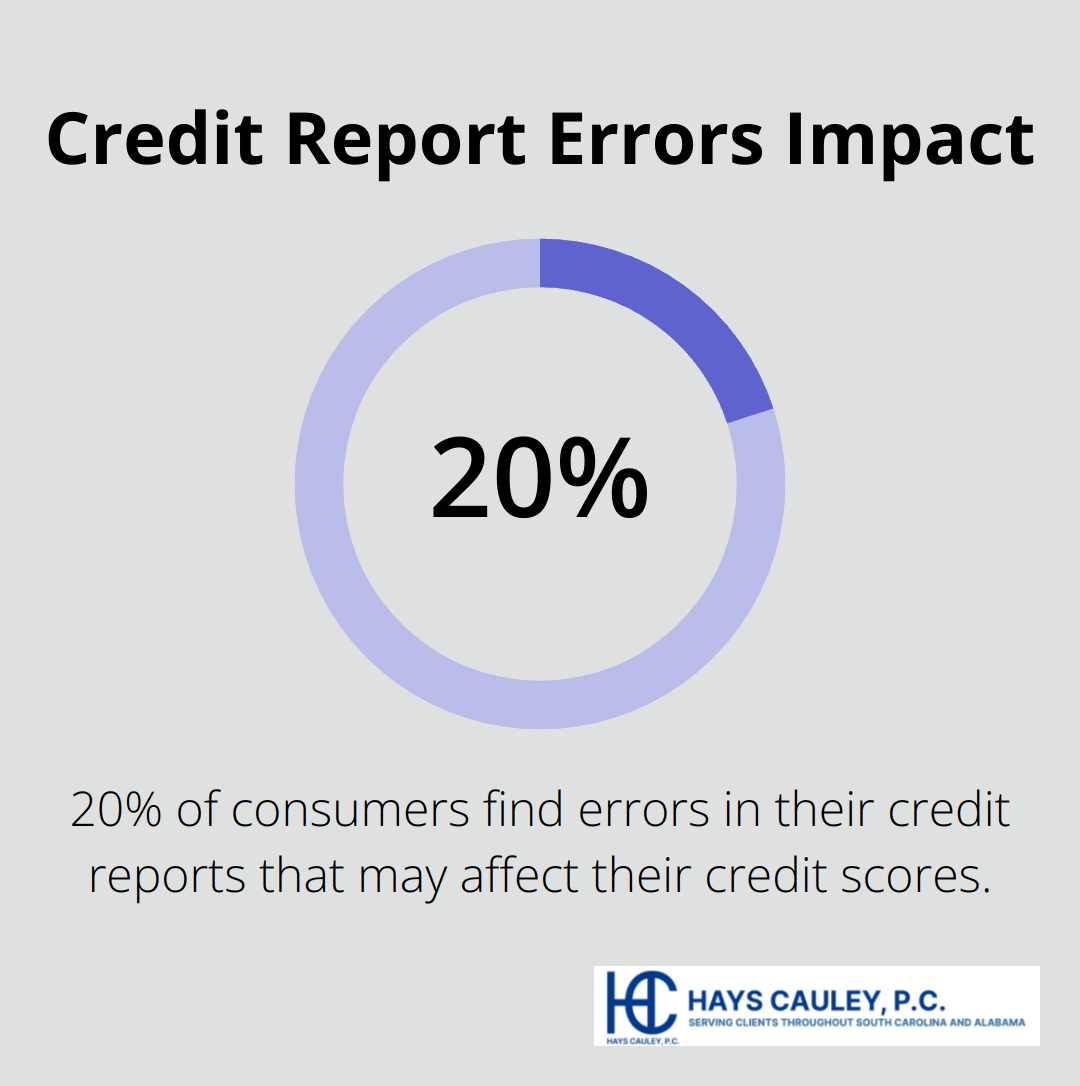
When you dispute an item, be specific about what you believe is incorrect and provide any supporting documentation. The Federal Trade Commission reports that about 20% of consumers who review their credit reports find errors that may affect their credit scores.
Credit bureaus are required by law to provide you with the results of their investigation in writing. This written confirmation serves as valuable documentation for your records and can be useful if further action is needed.
Time Limits on Negative Information
Section 609 also addresses time limits for reporting negative information. Most negative items (such as late payments or collections) can only remain on your credit report for seven years. Bankruptcies can stay on your report for up to 10 years.
Understanding these time limits can help you anticipate improvements in your credit score and know when to expect certain negative items to drop off your report.
Additional Rights Under Section 609
Section 609 provides additional rights that South Carolina consumers should be aware of:
- You can request the names of anyone who has received your credit report in the last year (for employment purposes, this extends to two years).
- You’re entitled to know your credit score (though this may come with a fee).
- If you’re denied credit based on information in your credit report, you have the right to a free copy of that report.
These provisions of Section 609 empower South Carolina consumers to take control of their credit information. In the next section, we’ll explore how these rights translate into practical benefits for consumers in the Palmetto State.
What Are Your Rights Under Section 609 in South Carolina?
Section 609 of the Fair Credit Reporting Act (FCRA) provides South Carolina consumers with powerful rights to manage their credit information. These rights serve as essential tools for maintaining financial health and protecting against errors that could harm your credit score.
Free Annual Credit Reports
You have the right to one free credit report from each of the three major credit bureaus every 12 months. This means you can obtain up to three free reports per year. We suggest you request one report every four months. This approach allows you to monitor your credit throughout the year at no cost.
To request your free reports, you can visit AnnualCreditReport.com or call 1-877-322-8228. Exercise caution with other websites that offer “free” credit reports, as they often include hidden fees or require subscriptions.
Additional Free Reports in Specific Situations
Beyond your annual free reports, you qualify for additional free reports in certain situations:
- If a company denies you credit, insurance, or employment based on information in your credit report (you have 60 days to request a free copy of that report).
- If you lack employment and plan to seek a job within 60 days.
- If you receive public assistance.
- If you suspect your file contains inaccurate information due to fraud.
These additional free reports provide valuable tools for South Carolina consumers who face financial challenges or significant life changes.
Your Right to Dispute Inaccuracies
Section 609 grants you the power to dispute incomplete or inaccurate information. If you discover an error on your credit report, you have the right to challenge it, and the credit bureau must investigate.
To file a dispute:
- Write to the credit bureau and clearly identify each item you dispute.
- Explain why you believe the information is inaccurate or incomplete.
- Include copies (not originals) of documents that support your position.
The credit bureau typically has 30 days to investigate your claim. If they cannot verify the information, they must remove it from your report.
Time Limits on Negative Information
Section 609 also addresses time limits for reporting negative information. Most negative items (such as late payments or collections) can only remain on your credit report for seven years. Bankruptcies can stay on your report for up to 10 years.
Understanding these time limits helps you anticipate improvements in your credit score and know when to expect certain negative items to disappear from your report.

Additional Rights Under Section 609
Section 609 provides further rights that South Carolina consumers should know:
- You can request the names of anyone who has received your credit report in the last year (for employment purposes, this extends to two years).
- You have the right to know your credit score (though this may incur a fee).
- If a company denies you credit based on information in your credit report, you have the right to a free copy of that report.
These provisions of Section 609 empower South Carolina consumers to take control of their credit information. The next section will explore how these rights translate into practical benefits for consumers in the Palmetto State.
Why Section 609 Matters for South Carolina Consumers
Section 609 of the Fair Credit Reporting Act (FCRA) transforms the financial landscape for South Carolina consumers. This legislation provides essential tools to protect your financial well-being and creates opportunities for a brighter financial future.
Protection Against Identity Theft
Identity theft poses a significant threat in South Carolina. The Federal Trade Commission reported 18,935 cases of identity theft in the state in 2022. Section 609 enables you to detect potential fraud early through regular credit report reviews.
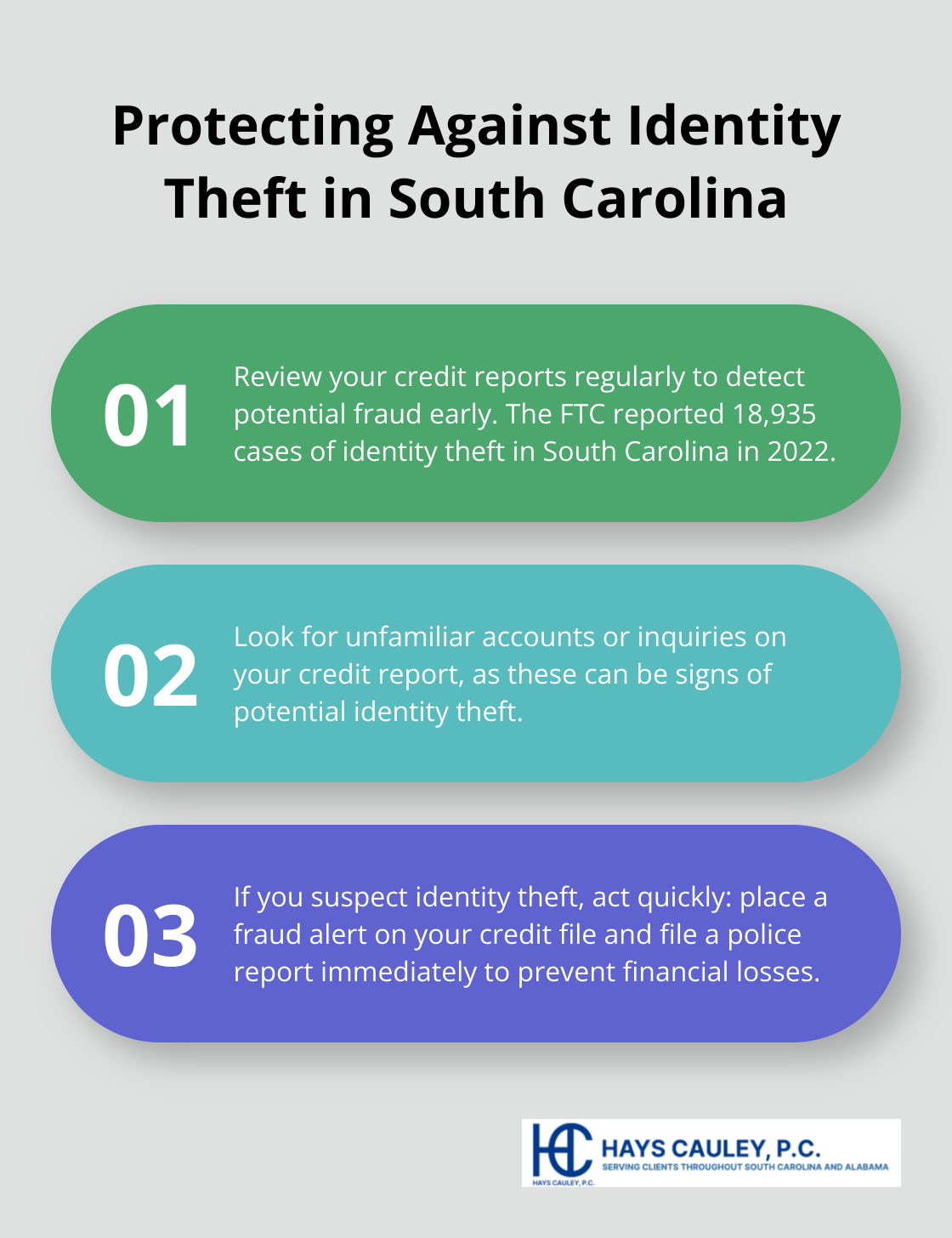
Unfamiliar accounts or inquiries on your report signal potential identity theft. Quick action is essential: place a fraud alert on your credit file and file a police report immediately. Early detection can prevent thousands of dollars in losses and minimize stress.
Maintaining Credit Record Accuracy
Credit report errors occur more frequently than most people realize. A Federal Trade Commission study revealed that one in five consumers had an error on at least one of their credit reports. These mistakes can result in higher interest rates or loan denials, costing you real money.
Section 609 gives you the power to challenge these errors. When you find a mistake, collect supporting documents and submit a dispute to the credit bureau. They must investigate and correct the error within 30 days. This process can significantly improve your credit score (in some cases, by 50 points or more after removing inaccurate negative information).
Enhancing Financial Opportunities
Your credit report is a key that unlocks financial opportunities. Employers, landlords, and lenders use this information to make decisions about you. Section 609 helps you maintain an accurate credit report, setting the stage for financial success.
A good credit score can lead to substantial savings. For instance, on a $200,000 30-year fixed-rate mortgage, the difference between a 650 and 750 credit score could result in $68,000 less interest over the life of the loan.
Empowering Consumer Rights
Section 609 puts control back in your hands. It allows you to:
- Request free annual credit reports
- Dispute inaccurate information
- Know who has accessed your credit report
These rights empower you to take charge of your financial narrative and ensure that your credit report accurately reflects your financial behavior.
Facilitating Financial Planning
With accurate credit information at your fingertips, you can make informed financial decisions. Section 609 allows you to:
- Identify areas for credit improvement
- Plan for major purchases (like a home or car)
- Negotiate better terms with lenders
This knowledge becomes a powerful tool in your financial planning arsenal, helping you map out a path to achieve your financial goals.
Final Thoughts
Section 609 of the Fair Credit Reporting Act empowers South Carolina consumers to protect their financial future. This legislation grants you the right to access credit reports, dispute inaccuracies, and maintain control over your financial narrative. Regular credit report reviews allow you to detect potential fraud quickly and address errors that could unfairly impact your creditworthiness.
A clean, accurate credit report can lead to lower interest rates on loans, better insurance premiums, and improved job prospects. The financial implications are significant – from securing a mortgage with favorable terms to negotiating lower rates on credit cards (potentially saving thousands of dollars over time). You should request your free annual credit reports, review them for errors or signs of fraud, and promptly dispute any inaccuracies you find.
At Hays Cauley, P.C., we help South Carolina consumers navigate credit reporting and identity theft issues. Our team of consumer protection attorneys can guide you through the process of exercising your rights under Fair Credit Reporting Act Section 609. Knowledge is power when it comes to your credit – take control of your financial future today.