


Aggravated identity theft is a serious crime that can devastate lives and finances. In South Carolina, this offense carries severe penalties for perpetrators, but victims often face long-lasting consequences.
At Hays Cauley, P.C., we’ve seen firsthand the impact of this crime on individuals and families across our state. This guide will help you understand the risks, take preventive measures, and know what steps to follow if you become a victim of aggravated identity theft in South Carolina.
What Is Aggravated Identity Theft in South Carolina?
Definition and Scope
Aggravated identity theft in South Carolina represents a severe crime that extends beyond simple identity theft. It involves the unauthorized use of someone’s personal information to commit fraud or other crimes, often with more serious repercussions.
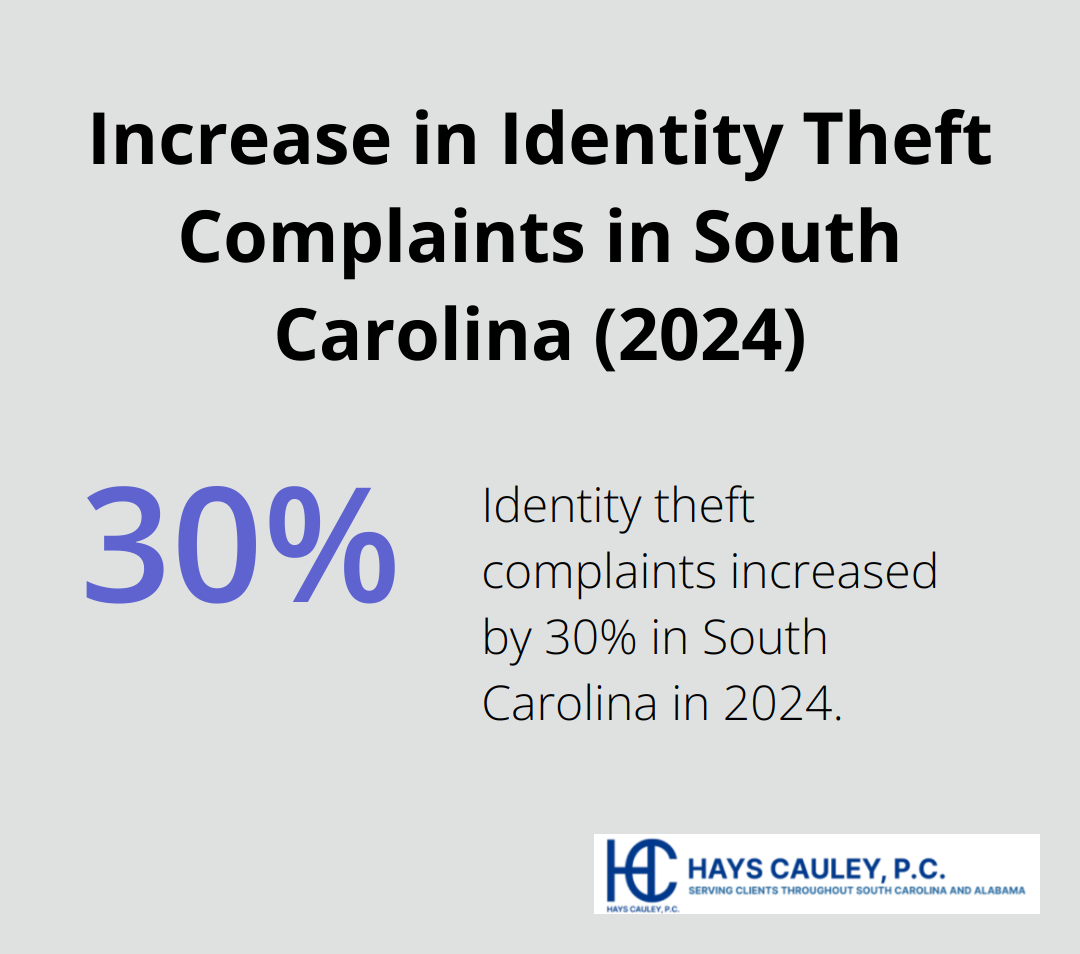
The problem has grown significantly in recent years. The South Carolina Department of Consumer Affairs reported a 30% increase in identity theft complaints in 2024 compared to the previous year. This surge underscores the escalating threat to residents’ financial security and personal information.
Common Forms of Aggravated Identity Theft
Tax Fraud
One prevalent form of aggravated identity theft in South Carolina is tax fraud. Criminals use stolen Social Security numbers to file false tax returns and claim refunds. In 2024, the South Carolina Department of Revenue intercepted over 5,000 fraudulent tax returns (saving taxpayers an estimated $10 million).
Credit Account Fraud
Another common tactic involves the opening of new credit accounts. Thieves use stolen personal information to apply for credit cards, loans, or mortgages in the victim’s name. The Federal Trade Commission (FTC) reported that South Carolina residents lost an average of $3,500 per incident to this type of fraud in 2024.
Medical Identity Theft
Medical identity theft has also become more prevalent. Criminals use stolen identities to receive medical treatment or prescription drugs. This not only results in financial losses but can also lead to incorrect medical records, potentially endangering the victim’s health.
Legal Consequences for Perpetrators
South Carolina takes a firm stance against aggravated identity theft. Under state law, it’s classified as a felony, punishable by up to 10 years in prison and substantial fines. In cases involving multiple victims or large sums of money, sentences can be even more severe.
Federal law also applies to many aggravated identity theft cases. The Identity Theft Penalty Enhancement Act mandates a minimum two-year prison sentence for aggravated identity theft, which must be served consecutively with any other sentence.
The severity of these penalties reflects the serious nature of aggravated identity theft in South Carolina. As we move forward, we’ll explore effective strategies to protect yourself from becoming a victim of this pervasive crime.
How South Carolina Residents Can Protect Themselves
Strengthen Your Digital Defenses
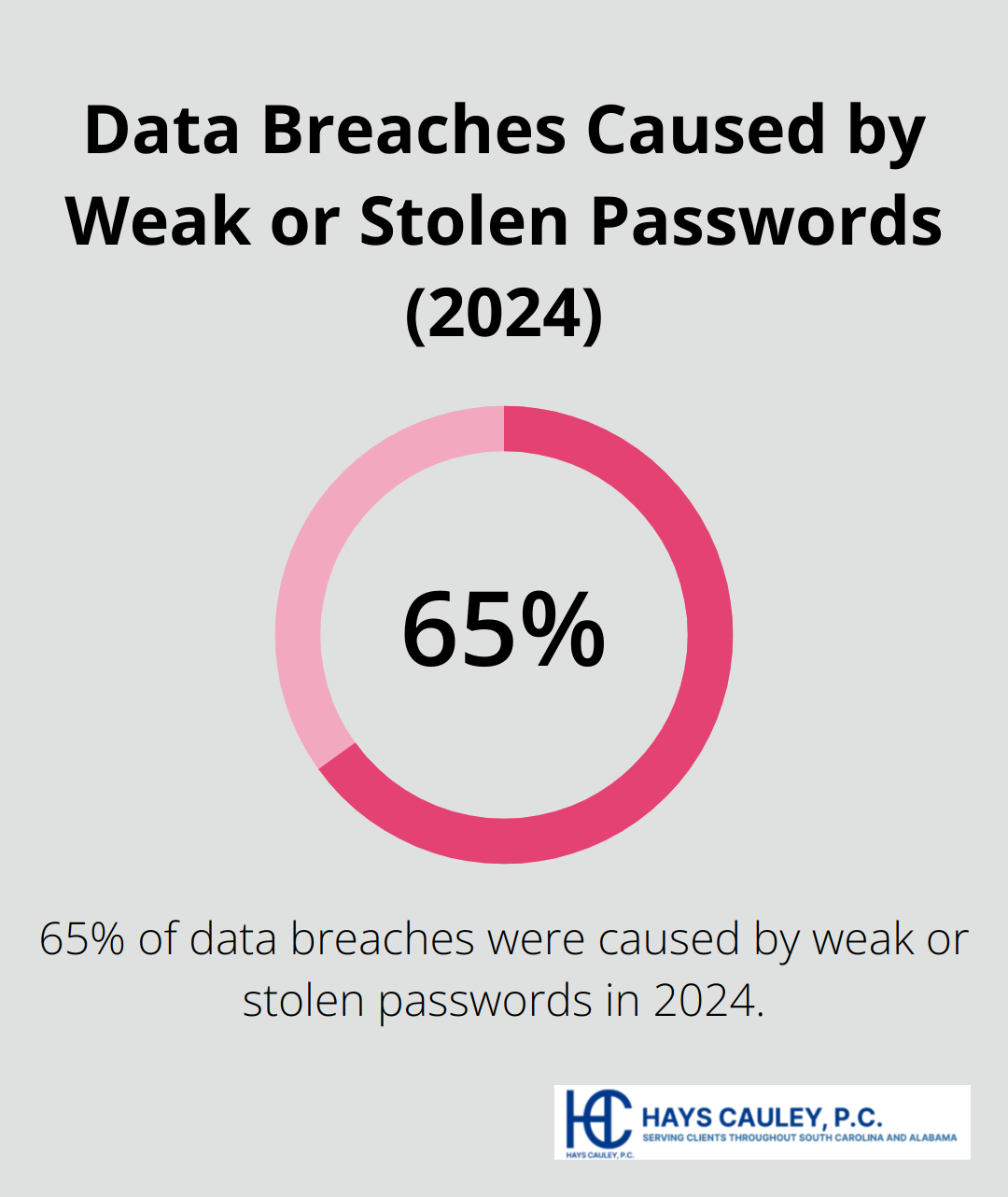
South Carolina residents must take active steps to protect their digital lives. Use a password manager to create and store complex, unique passwords for each account. A 2024 survey by the Ponemon Institute revealed that weak or stolen passwords caused 65% of data breaches. Enable two-factor authentication on all possible accounts to add an extra security layer.
Keep your software and operating systems up-to-date. Cybercriminals often exploit vulnerabilities in outdated software. The South Carolina Department of Consumer Affairs linked 40% of identity theft cases in 2024 to outdated software.
Protect Your Physical Documents
Offline protection deserves equal attention. Buy a cross-cut shredder to dispose of sensitive documents. The FTC warns against simply tearing up or throwing away papers with personal information. Store important documents like your Social Security card and birth certificate in a secure place at home.
Consider using a locked mailbox or a P.O. box for receiving mail. Mail theft remains a common entry point for identity thieves. In 2024, the U.S. Postal Inspection Service recorded over 1,000 cases of mail theft in South Carolina.
Watch Your Financial Accounts
Set up alerts on your bank and credit card accounts to catch unusual activity. Many financial institutions offer free text or email notifications for transactions exceeding a certain amount. Review your statements regularly (ideally weekly).
Use the free annual credit reports from the three major credit bureaus. Request one report every four months to allow for year-round monitoring. The FTC reported that 21% of identity theft victims in South Carolina discovered the fraud through regular credit report checks in 2024.
Avoid Phishing Attempts
Stay vigilant against unsolicited communications asking for personal information. Phishing attempts have become more sophisticated. The South Carolina Attorney General’s office reported a 50% increase in phishing-related complaints in 2024 compared to the previous year.
Always verify the sender’s identity before responding to emails or text messages claiming to be from your bank or other institutions. When in doubt, contact the organization directly using a known, verified phone number or website.
These strategies can significantly reduce the risk of falling victim to aggravated identity theft for South Carolina residents. However, the landscape of cybercrime constantly evolves. New threats emerge regularly, and protection methods must adapt. In the next section, we’ll explore what steps to take if you suspect you’ve become a victim of aggravated identity theft in South Carolina.
What to Do if You’re a Victim of Aggravated Identity Theft in South Carolina
Report the Crime Immediately
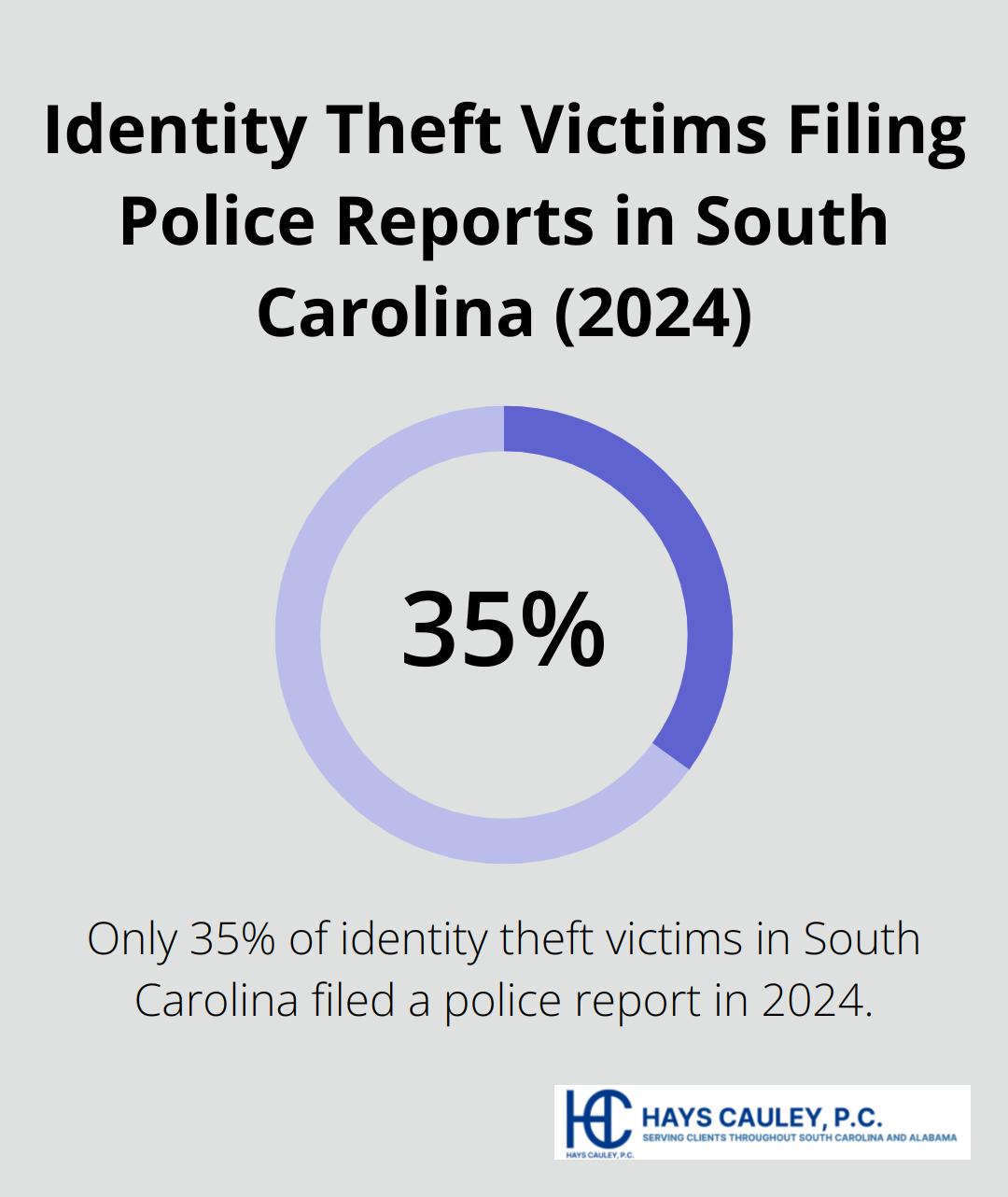
If you suspect you’ve become a victim of aggravated identity theft in South Carolina, act quickly. The first 48 hours are vital to minimize damage and start recovery. File a report with your local police department right away. In 2024, the South Carolina Law Enforcement Division (SLED) noted that only 35% of identity theft victims filed a police report, which can hinder investigations and prosecutions. Provide as much detail as possible about the theft and include any supporting documentation. Ask for a copy of the police report for your records, as you’ll need it for future steps.
Next, file a complaint with the Federal Trade Commission (FTC) through their online portal or by phone. The FTC received over 15,000 identity theft reports from South Carolina residents in 2024. Their Identity Theft Report proves to businesses that you’re a victim of identity theft.
Secure Your Credit
Contact one of the three major credit bureaus (Equifax, Experian, or TransUnion) to place a fraud alert on your credit reports. This free alert lasts for one year and notifies potential creditors to take extra steps to verify your identity before granting credit in your name. In 2024, the South Carolina Department of Consumer Affairs found that fraud alerts prevented 70% of attempted fraudulent account openings.
Try to place a security freeze on your credit reports. This action makes it much harder for criminals to open new accounts in your name. In South Carolina, credit freezes are free and remain in place until you lift them.
Notify Financial Institutions
Contact your bank, credit card companies, and other financial institutions where you have accounts. Inform them of the identity theft and ask about closing or freezing affected accounts. Many South Carolina banks now offer instant account freezing through their mobile apps, which allows for quick action.
Review recent account statements thoroughly. The South Carolina Bankers Association reported that in 2024, 60% of identity theft victims identified fraudulent transactions by carefully examining their statements.
Document Everything
Keep a detailed log of all your actions, conversations, and correspondence related to the identity theft. Note dates, times, names of people you spoke with, and what was discussed. This documentation can be essential for resolving disputes and, if necessary, taking legal action.
Thorough documentation can make a significant difference in resolving identity theft cases (some cases are resolved up to 40% faster with proper record-keeping).
Final Thoughts
Aggravated identity theft poses a significant threat to South Carolina residents. You can reduce your risk by using strong passwords, enabling two-factor authentication, and monitoring your financial accounts regularly. The South Carolina Department of Consumer Affairs provides valuable resources and updates on identity theft prevention (which saw a 30% increase in complaints in 2024).
If you become a victim of aggravated identity theft, take immediate action. Report the crime to local law enforcement and the Federal Trade Commission. Place a fraud alert on your credit reports and notify your financial institutions. Keep detailed records of all actions and communications related to the theft.
Hays Cauley, P.C. offers dedicated legal support to help navigate the complexities of identity theft and credit reporting issues. We understand the devastating effects of this pervasive crime and stand ready to assist you. Vigilance and prompt action serve as your best defenses against aggravated identity theft in South Carolina.